Why Visit Gran Canaria in March
March is when Gran Canaria begins its transition from mild winter into glorious spring. Temperatures tick upward, the island's interior erupts in wildflowers, and the days grow noticeably longer. It is a month that combines the best of both seasons: warm enough for beach days and swimming, yet cool enough for comfortable hiking and exploring.
For visitors from northern Europe, March in Gran Canaria feels like skipping straight from late winter into early summer. While temperatures back home hover around 5-10°C, Gran Canaria delivers reliable 19-22°C days with increasing sunshine. The island's landscapes are at their greenest and most photogenic after the winter rains, with hillsides carpeted in wildflowers and the volcanic terrain softened by lush vegetation.
March also occupies a sweet spot in terms of crowds and value. The Carnival rush has passed, Easter has not yet arrived (in most years), and the island settles into a relaxed rhythm. Prices remain favourable, availability is good, and the mix of locals and visitors creates a balanced, authentic atmosphere. It is widely considered one of the very best months to visit the Canary Islands.
---
Weather in March
March brings a clear improvement in weather conditions, with warmer temperatures, less rain and an extra hour of daylight compared to the winter months.
- Average air temperature: 19°C (ranging from 16°C at night to 22°C during the day)
- Sea temperature: 18°C (similar to February, gradually warming through the month)
- Sunshine hours: 7 hours per day across an average of 24 clear days
- Rainfall: 15mm spread over 2-3 rainy days (the driest winter month)
- Humidity: 55-60%, slightly lower than winter months
- UV index: 5-6 (high; sunscreen is essential, especially midday)
By late March, daytime temperatures in the south regularly reach 23-24°C, and sheltered spots along the Las Canteras promenade can feel significantly warmer. The trade winds are lighter than in summer, making March one of the calmest months for wind. Daylight extends to around 18:50 by month's end, providing long, pleasant evenings.
---
Things to Do in March
Beach Days at Las Canteras
March is genuinely beach-friendly on Gran Canaria. The 3.2 km stretch of Las Canteras offers sheltered swimming behind the natural reef of La Barra, where the water is calm and slightly warmer than the open ocean. Sunbathing temperatures of 20-22°C feel ideal, and the beach never reaches the density of the summer months. Free access with sunbed hire available from 3 EUR.
Hike the Tamadaba Natural Park
This UNESCO Biosphere Reserve on the north-west coast is at its most spectacular in March, when the Canarian pine forests are lush and the trails are lined with wildflowers. The circular route from Cruz de Tejeda to Tamadaba covers 12 km and takes 4-5 hours. Difficulty is moderate. Free access; bring water and snacks as there are no facilities on the trail.
Cycle the Coastal Road to Arucas
Rent a road bike and ride from Las Palmas north along the coast to the town of Arucas, famous for its neo-Gothic church and rum distillery. The route is approximately 17 km each way with gentle gradients. Road bike rental costs 20-30 EUR per day from shops in Las Palmas. At Arucas, visit the Arehucas Rum Distillery for a tour and tasting at 5 EUR.
Explore the Dunes of Maspalomas
The 404-hectare dune system at Maspalomas is a protected nature reserve and one of Gran Canaria's most iconic landscapes. Walk through the dunes to the lighthouse (Faro de Maspalomas) in around 45 minutes. March temperatures of 21-23°C make this far more comfortable than the scorching summer months. Free access; arrive before 10:00 for the best light.
Snorkelling at Sardina del Norte
The sheltered bay of Sardina del Norte on the north-west coast is one of the island's best snorkelling spots, with visibility reaching 15-20 metres on calm days. Marine life includes parrotfish, cuttlefish and moray eels. Snorkel gear hire costs 8-12 EUR at nearby dive shops. The water temperature of 18°C is refreshing but manageable for 30-45 minute sessions.
Visit the Casa de Colon (Columbus Museum)
This beautifully restored colonial building in Vegueta tells the story of Christopher Columbus' stop in Gran Canaria en route to the Americas. The museum covers navigation, pre-Columbian art and the history of the Canary Islands. Admission is 4 EUR. Open Monday to Saturday, 10:00-18:00 and Sundays 10:00-15:00. Allow 1-1.5 hours.
Market Day in Teror
Every Sunday morning, the hilltop town of Teror hosts the island's most traditional market. Stalls sell local produce including chorizo de Teror (a spreadable sausage unique to the island), honey, cheeses and handmade crafts. The market runs from 08:00 to 14:00 and is free to enter. The drive from Las Palmas takes 25 minutes. Arrive early for the best selection.
Sunset Kayaking at Mogan
Paddle along the dramatic south-west coastline as the sun sets over the Atlantic. Guided kayak tours from Puerto de Mogan last 1.5-2 hours and cost 35-45 EUR per person, including equipment. March sunsets around 19:00 provide warm golden light and calm seas. Tours often include stops at secluded coves inaccessible by land.
---
Events and Festivals
Late Carnival Events
In some years, the tail end of Carnival extends into early March. The "Burial of the Sardine" and final street parties may fall in the first week of March, depending on the calendar. Check the official programme for exact dates.
Dia de Canarias Preparations
While the main Dia de Canarias falls on 30th May, March sees the beginning of cultural events and exhibitions celebrating Canarian identity. Museums and galleries in Las Palmas host special exhibitions on island heritage, traditional crafts and Canarian art.
International Jazz Festival
Las Palmas hosts jazz performances throughout March at various venues across the city, including the Teatro Perez Galdos and smaller clubs in the Triana and Vegueta neighbourhoods. Ticket prices range from 10-25 EUR depending on the venue and artist. Several free open-air performances also take place.
Semana Santa Preparations
If Easter falls in late March or April, the final weeks of March see preparations for Semana Santa (Holy Week). Churches across the island begin rehearsals for the elaborate processions, and religious artworks are restored and displayed. The atmosphere becomes more reflective and traditional.
Weekly Farmers Markets
March is prime season for the island's weekly farmers markets. Beyond the famous Teror Sunday market, visit the San Lorenzo market (Saturdays, 08:00-13:00) and the Vega de San Mateo market (Saturdays and Sundays, 08:00-14:00) for seasonal produce including strawberries, avocados and spring vegetables.
---
Prices and Budget
March is shoulder season, sitting between the winter lows and the Easter peak. Prices are moderate and represent strong value, particularly in the first three weeks before any Easter premium kicks in.
Accommodation (per night)
- Budget: 45-65 EUR (hostels, basic apartments)
- Mid-range: 75-115 EUR (quality holiday apartments, 3-star hotels)
- Upper mid-range: 115-170 EUR (beachfront apartments, 4-star hotels)
- Luxury: 200-350 EUR (5-star hotels, premium villas)
Flights (return, economy)
- London: 75-140 EUR (Ryanair, Jet2, easyJet, Wizz Air)
- Berlin: 85-155 EUR (Ryanair, Condor, Eurowings)
- Amsterdam: 95-165 EUR (Transavia, TUI fly, KLM)
Daily Budget Breakdown
- Budget traveller: 50-70 EUR/day (self-catering, free beaches and hikes, public transport at 1.40 EUR per ride)
- Mid-range traveller: 90-135 EUR/day (restaurant lunches, activities, car rental from 25 EUR/day)
- Comfort traveller: 150-230 EUR/day (fine dining, guided excursions, premium accommodation)
A fresh fish lunch at a beachside restaurant costs 12-18 EUR, a cortado coffee is 1.20 EUR, and a litre of petrol is approximately 1.35 EUR.
---
Crowd Levels
March sees low to moderate tourist levels, making it one of the most pleasant months for a relaxed visit. The post-Carnival lull means the first half of March is particularly quiet.
- Las Canteras beach: Comfortable levels; always room to spread out, even on sunny weekends
- Hiking trails: Pleasantly quiet, ideal for solitary walks in the mountains
- Southern resorts: Maspalomas and Playa del Ingles are moderately busy with northern European sun-seekers but never overcrowded
- Restaurants and cafes: Easy to find tables without booking, though weekend brunch spots may fill up
---
Where to Stay
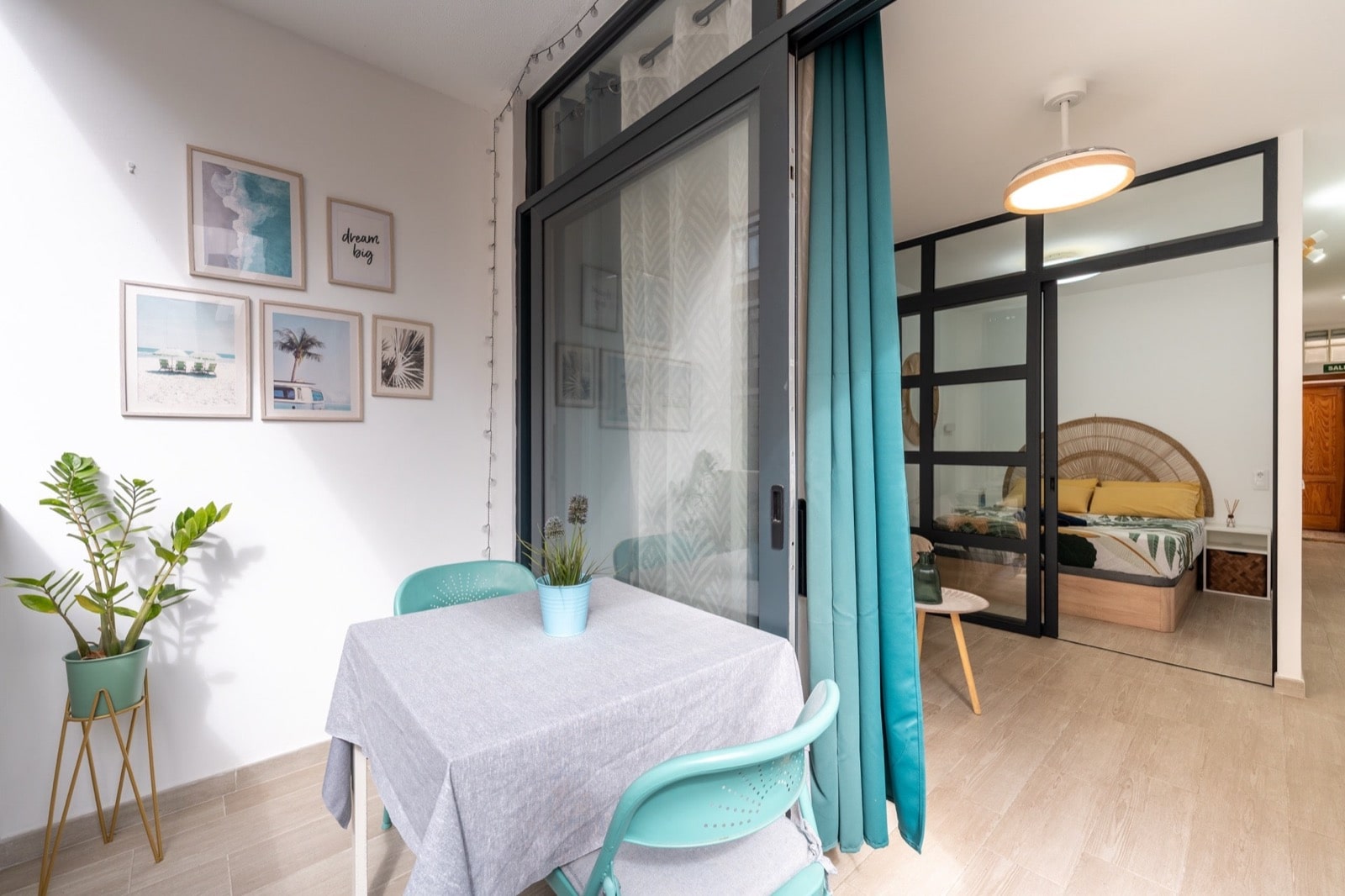
Las Canteras in Las Palmas remains the top recommendation for March visitors. The beach is at its most inviting as spring arrives, the promenade buzzes with joggers, cyclists and cafe-goers from early morning, and the neighbourhood puts you within reach of everything the city has to offer.If you are looking for a well-located base near Las Canteras, [Casita Palmera](https://casitapalmera.es) is a holiday apartment situated just 30 metres from the beach, available from 90 EUR per night. It is a practical and comfortable choice for visitors who want to combine beach life with easy access to the city's culture and dining.
For those who want to split their time, consider a few nights in Las Palmas for urban exploration followed by a few nights in Agaete or Puerto de Mogan on the west coast. March's calm seas and warm sunshine make these quieter coastal towns particularly appealing, with fresh seafood, natural pools and dramatic cliff scenery.
---
Frequently Asked Questions
Is March a good month for hiking in Gran Canaria?
March is one of the best months for hiking. Temperatures at altitude sit around 12-16°C, which is ideal for sustained walking without overheating. The landscape is green and vibrant after the winter rains, wildflowers are abundant, and trails are quiet. The main routes around Roque Nublo, Tamadaba and the Barranco de Guayadeque are all in excellent condition.
Can I swim in the sea in March?
Yes. The sea temperature of 18°C is cool but perfectly swimmable, especially in sheltered areas like the Las Canteras lagoon. By late March, the water begins to warm slightly. Many regular swimmers and surfers are in the water daily. If you prefer warmer water, the natural pools at Sardina del Norte and the south coast tend to be a degree or two warmer.
How busy is the airport in March?
Gran Canaria Airport (LPA) operates at moderate capacity in March. Queues at immigration and baggage reclaim are typically shorter than in high season. The airport handles around 3.5 million passengers per month at peak times, but March volumes are below this. Allow 2 hours before departure for international flights as a standard precaution.
Is March affected by the calima?
Occasionally. The calima is a warm, dust-laden wind from the Sahara that can arrive at any time between November and March. It raises temperatures by 5-8°C and reduces visibility with a hazy, orange-tinted sky. Episodes typically last 2-3 days and are more common in February than March. If a calima arrives, stay hydrated, avoid strenuous outdoor exercise, and enjoy the unusually warm conditions.
What is the best day trip from Las Palmas in March?
The drive through the interior to Roque Nublo via Tejeda is the standout day trip in March. The route passes through pine forests, almond groves and dramatic volcanic landscapes. Stop in Tejeda for coffee and almond cake, hike to Roque Nublo (1.5 hours return), then continue to Pico de las Nieves (1,949 metres) for panoramic views of the island. The full loop takes 5-6 hours including stops and is one of the most scenic drives in the Canary Islands.