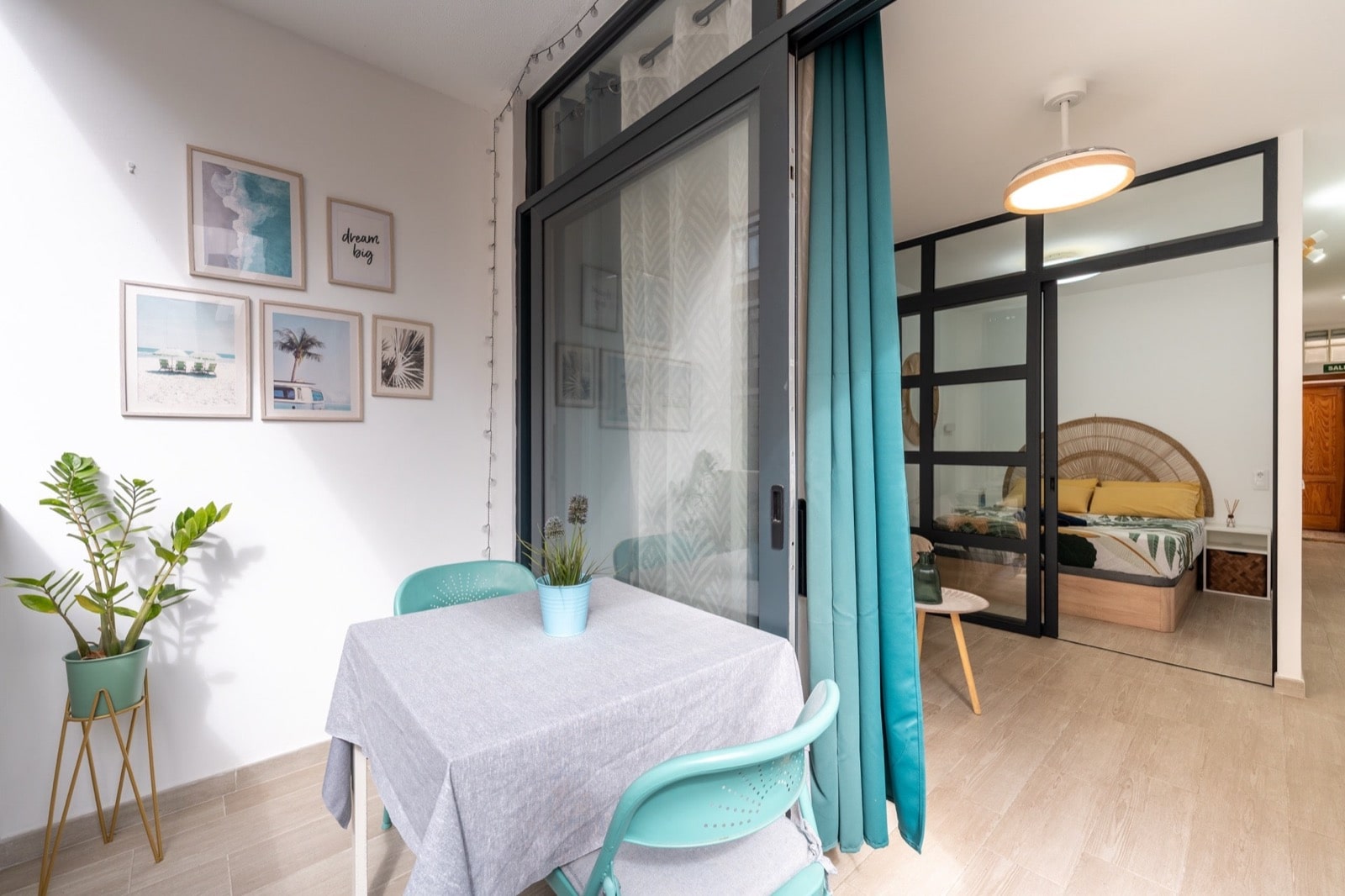
Why Gran Canaria is Perfect for Snorkeling
Gran Canaria is one of Europe's best snorkeling destinations. Crystal-clear waters with visibility up to 30 metres, pleasant temperatures year-round and extraordinary Atlantic biodiversity make the island a paradise for exploring beneath the surface.
The combination of volcanic underwater formations, seagrass meadows, sandy bottoms and natural reefs creates a variety of aquatic landscapes that few islands in the Atlantic can match. From the marine reserve of El Cabron to the natural reef of La Barra at Las Canteras, there are options for every level.
---
The 10 Best Snorkeling Spots
1. Las Canteras - La Barra
The natural reef of La Barra creates a sheltered pool stretching over 2 km in front of Las Canteras beach. It is the most accessible spot on the island and one of the most rewarding.
- Location: Playa de Las Canteras, Las Palmas (walking distance from Casita Palmera)
- Difficulty: Beginner
- Depth: 1-5 metres
- Marine life: White seabream, parrotfish, damselfish, salema, octopus, starfish, sea urchins
- Best time: Low to mid tide, calm wind days
- Access: Direct entry from the beach, no car needed
2. Sardina del Norte
A small cove on the northwest coast with incredibly clear water and volcanic bottoms teeming with life.
- Location: Galdar, northwest (45 min drive from Las Canteras)
- Difficulty: Beginner - Intermediate
- Depth: 2-8 metres
- Marine life: Trumpetfish, juvenile barracuda, cuttlefish, moray eels, nudibranchs
- Best time: Spring and summer, calm sea conditions
- Access: Parking next to the beach, easy entry from the shore
3. Playa de Tufia
A volcanic coastal village with a small cove that looks like it belongs on another planet. A lunar landscape above the water and a vibrant ecosystem below it.
- Location: Telde, east coast (25 min drive from Las Canteras)
- Difficulty: Intermediate
- Depth: 2-10 metres
- Marine life: Parrotfish, black damselfish, shrimps, anemones, starfish
- Best time: Year-round, best in summer with gentle trade winds
- Access: Steps down to the cove, entry over pebble beach
4. El Cabron (Arinaga Marine Reserve)
The crown jewel of snorkeling in Gran Canaria. A protected marine reserve with the highest biodiversity on the island and arguably in the entire Canary archipelago.
- Location: Arinaga, southeast (35 min drive from Las Canteras)
- Difficulty: Intermediate - Advanced
- Depth: 3-15 metres
- Marine life: Angel sharks, rays, barracuda, grouper, octopus, turtles (occasional), nudibranchs
- Best time: Year-round, optimal visibility in summer
- Access: Rocky trail to the coast, no facilities
5. Risco Verde
A natural rocky platform beside Arinaga beach that forms natural pools perfect for observing marine fauna.
- Location: Arinaga, southeast (30 min drive from Las Canteras)
- Difficulty: Beginner - Intermediate
- Depth: 1-6 metres
- Marine life: White seabream, parrotfish, damselfish, sea urchins, limpets, crabs
- Best time: Low tide, spring and summer
- Access: Steps from the promenade, easy
6. Puerto de Mogan
Known as the Little Venice of Gran Canaria, the harbour offers transparent, sheltered water with a surprising amount of marine life.
- Location: Mogan, southwest (55 min drive from Las Canteras)
- Difficulty: Beginner
- Depth: 2-8 metres
- Marine life: Trumpetfish, white seabream, juvenile barracuda, rays (occasional)
- Best time: Year-round, the southwest is sheltered from trade winds
- Access: Directly from the harbour beach
7. Playa de Amadores
An artificial beach with turquoise, tranquil water, ideal for those looking for a comfortable experience with good marine life along the rocky sides.
- Location: Mogan, southwest (50 min drive from Las Canteras)
- Difficulty: Beginner
- Depth: 1-5 metres
- Marine life: Ornate wrasse, white seabream, starfish, anemones
- Best time: Year-round
- Access: Directly from the beach, best snorkeling along the rocky sides
8. Caleta Baja
A local secret on the north coast of Galdar. Natural pools formed by volcanic lava with access to spectacular snorkeling areas.
- Location: Galdar, northwest (50 min drive from Las Canteras)
- Difficulty: Intermediate
- Depth: 2-8 metres
- Marine life: Parrotfish, salema, damselfish, moray eels, octopus, crabs
- Best time: Summer, calm sea conditions
- Access: Dirt track, limited parking
9. Playa del Hombre
A lesser-known snorkeling spot between Telde and Las Palmas, with rocky platforms and pools that fill with the tide.
- Location: Telde, east coast (15 min drive from Las Canteras)
- Difficulty: Intermediate
- Depth: 1-6 metres
- Marine life: White seabream, damselfish, crabs, sea urchins, nudibranchs
- Best time: Summer, low tide
- Access: From the coastal path, steps down to the rocks
10. Playa de Arinaga
The main beach of Arinaga village, more accessible than El Cabron and with good snorkeling along its rocky edges.
- Location: Arinaga, southeast (30 min drive from Las Canteras)
- Difficulty: Beginner - Intermediate
- Depth: 1-7 metres
- Marine life: White seabream, parrotfish, cuttlefish, shrimps
- Best time: Year-round, best with westerly winds
- Access: Easy, parking and full facilities
---
Water Temperature by Month
| Month | Temperature | Recommended exposure protection |
|-------|-------------|-------------------------------|
| January | 18-19°C | Full 3mm or shorty wetsuit |
| February | 18°C | Full 3mm or shorty wetsuit |
| March | 18-19°C | Shorty wetsuit |
| April | 19°C | Shorty wetsuit |
| May | 20°C | Shorty or rash vest |
| June | 21°C | Rash vest or swimwear |
| July | 22°C | Swimwear |
| August | 23°C | Swimwear |
| September | 23-24°C | Swimwear |
| October | 22-23°C | Swimwear or rash vest |
| November | 21°C | Rash vest or shorty wetsuit |
| December | 19-20°C | Shorty wetsuit |
---
Marine Species You Can Spot
Common fish
- Parrotfish (Sparisoma cretense): The most iconic Canarian fish, reddish-pink in colour
- White seabream (Diplodus sargus): Vertical black stripes, very abundant
- Black damselfish (Abudefduf luridus): Small and territorial, found in rocky areas
- Salema (Sarpa salpa): In large schools, horizontal golden stripes
- Trumpetfish (Macroramphosus scolopax): Elongated and curious
Other animals
- Common octopus (Octopus vulgaris): Master of camouflage, look in crevices
- Cuttlefish (Sepia officinalis): Changes colour as you watch
- Sea urchin: Abundant, watch where you step
- Starfish: On sandy bottoms between rocks
- Moray eel (Muraena helena): In crevices and caves, do not touch
- Angel shark (Squatina squatina): Protected species, sandy bottoms (you are lucky if you spot one)
- Loggerhead turtle (Caretta caretta): Occasional sighting at El Cabron and southern areas
---
Gear Rental
You do not need to bring your own equipment. Gran Canaria has plenty of rental options:
In Las Canteras
- Water sports shops along the Las Canteras promenade
- Approximate price: 8-15 EUR per full set (mask, snorkel, fins) per day
- Some dive schools also rent snorkeling gear
At dive sites
- Dive centres in Arinaga, Mogan and Sardina rent snorkeling gear
- Approximate price: 10-20 EUR per day, buoyancy vest included if needed
- Some offer guided snorkeling excursions from 25-35 EUR per person
What gear you need
- Mask: Must seal properly on your face with no leaking
- Snorkel: A purge valve makes it more comfortable
- Fins: Optional but highly recommended to cover more distance
- Reef shoes: Essential for rocky entries (El Cabron, Tufia)
- Snorkeling vest: Recommended if you are not a confident swimmer
- Rash vest or wetsuit: Depending on the time of year (see temperature table)
---
Safety Tips
Before entering the water
- Check sea conditions on apps like Windy or Windguru before you go
- Do not go alone: Always better in pairs or groups
- Tell someone where you are going and when you plan to return
- Check your gear: Make sure your mask does not leak and your snorkel works
In the water
- Do not touch anything: Marine life is fragile and some animals sting or bite
- Watch for sea urchins: They are abundant in rocky areas, wear reef shoes
- Monitor currents: If you feel yourself being pulled, swim diagonally towards the shore
- Stay hydrated: Snorkeling dehydrates you more than you might think, drink water before and after
- Sun protection: Use biodegradable reef-safe sunscreen to protect the ecosystem
- Do not feed the fish: It alters their natural behaviour
Warning signs
- Large waves or excessive white foam
- Red flag on the beach
- Visible currents (lines of foam moving away from shore)
- Murky water with poor visibility
---
Frequently Asked Questions
What is the best time of year for snorkeling in Gran Canaria?May to October offers the best conditions: warmer water (20-24°C), better visibility and calmer seas. However, Gran Canaria allows snorkeling year-round thanks to its subtropical climate.
Do I need previous experience?No. Spots like Las Canteras (La Barra), Amadores and Puerto de Mogan are perfect for beginners. You just need to be a comfortable swimmer.
Can I snorkel with children?Yes. Las Canteras, Risco Verde, Amadores and Puerto de Mogan have sheltered areas with shallow depth that are ideal for children from around 6-7 years old. A children's snorkeling vest is highly recommended.
Do I need to rent a car to reach the spots?For Las Canteras you do not need a car. For the remaining spots, a rental car is the most practical option. There are also buses (Global) to Arinaga, Mogan and other coastal villages, although frequencies are limited.
Are there dangerous sharks in Gran Canaria?No. The waters around Gran Canaria are very safe. The angel sharks you might see are harmless. There are no recorded shark attacks in the area.
Can I snorkel at Las Canteras directly from Casita Palmera?Yes. The La Barra reef is just a few minutes' walk from the accommodation. It is one of the best spots on the island and you need no transport to get there.